What Is Personal Care for the Elderly?
Published 2026-09-22 · By Elderly Care Malaysia (operated by Tenteram Care Sdn Bhd)
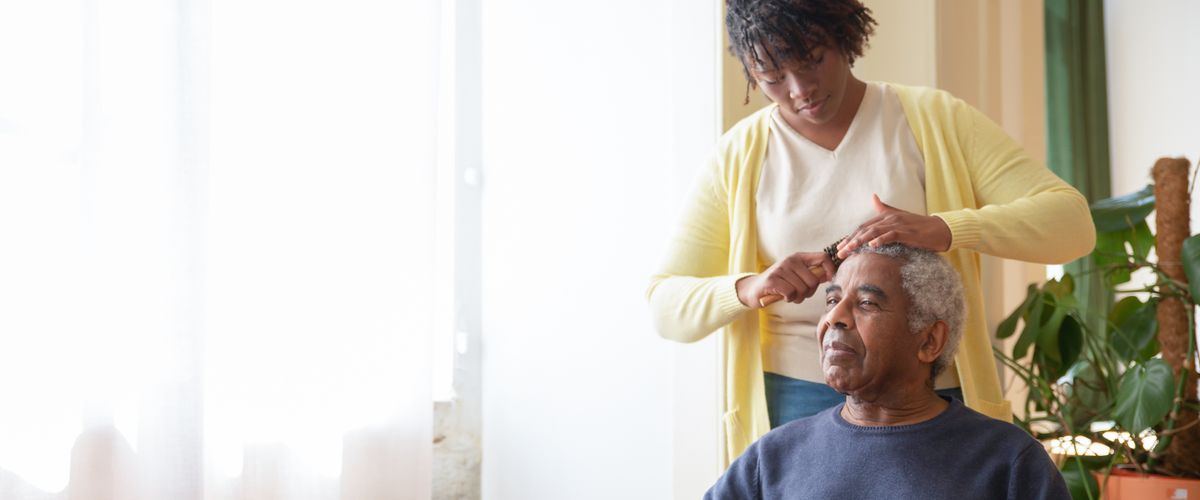
Personal care (also: personal care for the elderly, ADL assistance, activities of daily living assistance) : Hands-on, non-medical help with the activities of daily living: bathing, dressing, toileting, grooming, feeding and moving around.
Personal care for the elderly is hands-on, non-medical help with the activities of daily living: bathing, dressing, toileting, grooming, feeding and moving around. These are the basic tasks most of us do without thinking, until age, illness or frailty makes them difficult or unsafe.
What personal care includes
Care professionals call these tasks the ADLs, activities of daily living:
- Bathing and showering: including safe transfers in and out of the bathroom, a common site of falls.
- Dressing: choosing clothes, managing buttons and fasteners, dressing a person with stiff or painful joints.
- Toileting: help getting to the toilet, using a commode, and incontinence care such as changing pads and cleaning up.
- Grooming: hair washing and combing, shaving, nail care, oral hygiene.
- Feeding: preparing suitable food, cutting it up, and physically feeding someone who cannot manage alone.
- Mobility: help standing, walking, moving from bed to chair, and repositioning to prevent stiffness and bedsores.
Personal care vs medical care vs housekeeping
Families often mix these up when arranging help, so it is worth being precise:
- Personal care: the ADLs above. Non-medical, but hands-on and intimate.
- Medical or nursing care, clinical tasks: injections, wound dressing, catheter care, tube feeding, medication administration. In Malaysia these belong to registered nurses, typically in MOH-licensed facilities or through home nursing.
- Housekeeping: cleaning, laundry, cooking for the household. Useful, but it is not personal care, and a helper hired only for housework may have no training in safely handling an elderly person.
When you engage a part-time caregiver or home care service, confirm exactly which of these categories is included. The difference matters for both safety and price.
Who provides personal care?
In Malaysia, personal care is provided by family members, trained part-time or live-in caregivers engaged through agencies, and care workers in day care centres and residential homes. Costs for a part-time caregiver typically run RM800-2,400 a month, and RM1,800-3,500 a month for live-in help plus agency fees. See our breakdown of home caregiver costs.
When does someone start needing personal care?
The need usually creeps in rather than arriving overnight. Watch for the quiet signs: a parent who has stopped bathing or wears the same clothes for days, unwashed hair, body odour, weight loss from skipped meals, or new bruises suggesting near-falls in the bathroom. Families often notice the housework slipping first, but it is the state of the person, not the state of the kitchen, that signals personal care is needed.
Dignity is part of the job
Personal care is intimate. Accepting help with bathing or toileting is hard for many elderly people, and a parent’s resistance is often embarrassment, not stubbornness. Good caregivers, family or paid, protect dignity by explaining before they touch, keeping the person covered as much as possible, offering choices, and never rushing or scolding. Our guide on treating the elderly with care and respect covers this in depth.
If your parent is starting to struggle with the ADLs, it is one of the clearest signs a parent needs care, and one of the easiest to arrange help for.
Frequently asked questions
What are the activities of daily living (ADLs)?
The core ADLs are bathing, dressing, toileting, grooming, eating and mobility, the basic tasks a person needs to manage each day.
Is personal care the same as nursing care?
No. Personal care is non-medical help with daily tasks. Nursing care involves clinical procedures like injections, wound dressing and tube feeding by registered nurses.
Who provides personal care in Malaysia?
Family members, part-time or live-in caregivers from agencies, and care workers in day care centres and residential homes.