Elderly Care Courses in Malaysia: Training Options Explained
Published 2026-09-22 · By Elderly Care Malaysia (operated by Tenteram Care Sdn Bhd)
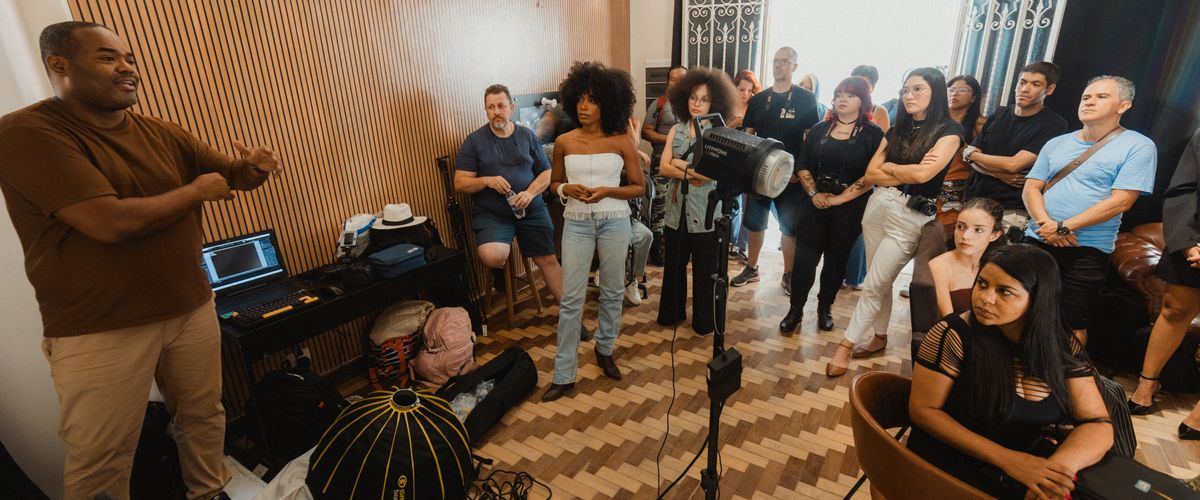
Elderly care courses in Malaysia fall into three distinct tracks: short workshops for family members caring for a parent at home, certified professional programmes for Malaysians seeking paid caregiving work, and geriatric care topics taught inside nursing and allied-health programmes. The right choice depends entirely on which track you are on, so start there.
The three tracks at a glance
| Track | Who it is for | Typical format | Where it leads |
|---|---|---|---|
| Family caregiver workshop | Adult children or spouses caring for a parent | One day to a few short sessions | Safer care at home |
| Professional caregiver certification | Malaysians seeking paid care work | Multi-week programme with supervised practical hours | Certificate plus employability |
| Geriatric topics in nursing / allied health | Healthcare students and working clinicians | Modules within diplomas, degrees or continuing education | Clinical career pathway |
Track 1: family caregiver workshops
Most elder care in Malaysia happens at home, delivered by family. Family workshops exist to make that care safer. A good one teaches how to help someone out of bed without injuring them (or your own back), how to bathe and dress an adult with dignity, how to run a medication schedule, and what to do, and not do, after a fall.
Formats range from a single Saturday to a short course spread over a few weekends. Hospitals, NGOs, community organisations and private training providers all run versions of these. Fees are usually the lowest of the three tracks, but they vary widely, so confirm the current figure before signing up.
Choose this track if your parent is ageing at home and you want to care for them safely, or if you plan to hire a caregiver and want to supervise their work knowledgeably. Our caregiver training guide details exactly what a good course teaches.
Track 2: professional caregiver certification
This is the career track. Professional programmes run for several weeks, combine classroom theory with supervised practical hours, and end with an assessed certificate. The curriculum covers personal care, safe transfers and mobility support, infection control, dementia basics, first aid, and communication with families and employers.
Fees sit well above family workshops. Expect a four-figure ringgit amount for a full programme, though fees vary widely between providers. What you are buying is not only the skills but the credential: agencies, platforms and providers shortlist certified caregivers first.
Before paying, ask two questions. First, which employers recognise this certificate? Second, how many supervised practical hours are included? A certificate without hands-on assessment carries little weight. Our caregiver certification guide explains which certificates employers value and how certification affects pay.
Track 3: geriatric topics in nursing and allied-health programmes
The third track lives inside formal healthcare education. Nursing diplomas and degrees include geriatric care modules (gerontology, geriatric assessment, chronic disease management, palliative care) as do physiotherapy, occupational therapy and other allied-health programmes. Working nurses and therapists can also take short continuing-education modules to specialise in older patients.
This track leads to clinical careers: staff nurse on a geriatric ward, therapist in a rehabilitation centre, nursing roles in MOH-licensed nursing homes. It takes years rather than weeks, and fees follow the institution’s normal programme pricing.
If your goal is caregiving work rather than a clinical qualification, track 2 is the faster and cheaper route.
What courses cost, honestly
No honest guide can quote exact fees, because they vary widely and change between intakes. The rough shape: family workshops are usually the cheapest option, professional caregiver programmes run into the low thousands of ringgit, and formal nursing or allied-health education costs the most and takes the longest. Treat any advertised fee as a starting point. Confirm the current figure, and exactly what it includes, directly with the provider.
Where the training leads: career outcomes
Trained caregivers in Malaysia work through several channels:
- Care platforms such as Homage, which match caregivers to hourly bookings and run their own training pipelines on top of external certificates.
- Home-care agencies, which place caregivers with families and handle scheduling and replacements.
- Care providers: companies like Tenteram Care hire trained caregivers for part-time, live-in and post-hospital assignments.
- Residential facilities, from JKM-registered care centres to MOH-licensed nursing homes.
Pay depends on the arrangement as much as the certificate. Direct-hire caregivers commonly earn RM15-25 an hour, platform caregivers RM30-50 an hour, and live-in caregivers roughly RM1,800-3,500 a month. Certification plus strong references is what moves you toward the top of each range.
If you are weighing caregiving as a career and want a realistic view of the work, talk to a care advisor. We hire trained caregivers and can tell you honestly what employers look for.
How to spot a legitimate programme
The training market has excellent providers and a few certificate mills. Before enrolling:
- Ask who recognises the certificate. A legitimate provider names the agencies, platforms or facilities that hire its graduates.
- Check for supervised practical hours. Caregiving is hands-on; a purely classroom or online course cannot teach a safe transfer.
- Look at who teaches. Programmes led by experienced nurses or senior caregivers are worth more than generic trainers reading slides.
- Distrust guaranteed-job promises. Legitimate programmes help with placement; they do not guarantee employment.
- Get the full fee in writing, including assessment and certificate-issuance charges.
If you are hiring rather than studying
Families land on this page for two reasons: to gain skills themselves, or to find someone who already has them. If it is the second, you do not need to wait through a course. Providers like Tenteram Care already employ trained caregivers and can usually match one to your parent within about five working days. Start with a free 15-minute consultation via our care advisor.
Whichever track you are on, decide the track first (family skills, professional certification, or clinical education) and the right course choice becomes much clearer.
Frequently asked questions
How much do elderly care courses cost in Malaysia?
Fees vary widely. One-day family workshops can cost a few hundred ringgit, while multi-week professional caregiver programmes run into the low thousands. Always confirm the current fee, and what it includes, directly with the training provider.
Do I need a certificate to work as a caregiver in Malaysia?
There is no single mandatory national caregiver licence, but agencies, platforms and providers shortlist certified caregivers first. A recognised certificate plus solid references is the standard expectation for paid care work.
Can I learn to care for my parent without taking a full course?
Yes. Family caregiver workshops run from one day to a few short sessions and teach the essentials: safe transfers, personal care, medication routines and dementia basics. They are built for family members, not career caregivers.
Are online caregiver courses worth it?
Online theory can supplement learning, but caregiving is hands-on. Employers value supervised practical hours, so treat any purely online certificate with caution and ask employers whether they recognise it before paying.
Who hires trained caregivers in Malaysia?
Care platforms such as Homage, home-care agencies, residential facilities, and providers like Tenteram Care all hire trained caregivers. Some platforms run their own training pipelines on top of external certificates.